Snore Management in San Diego: Custom Oral Appliances
August 11, 2026
Night Guards: What You Need to Know About Teeth Grinding
August 17, 2026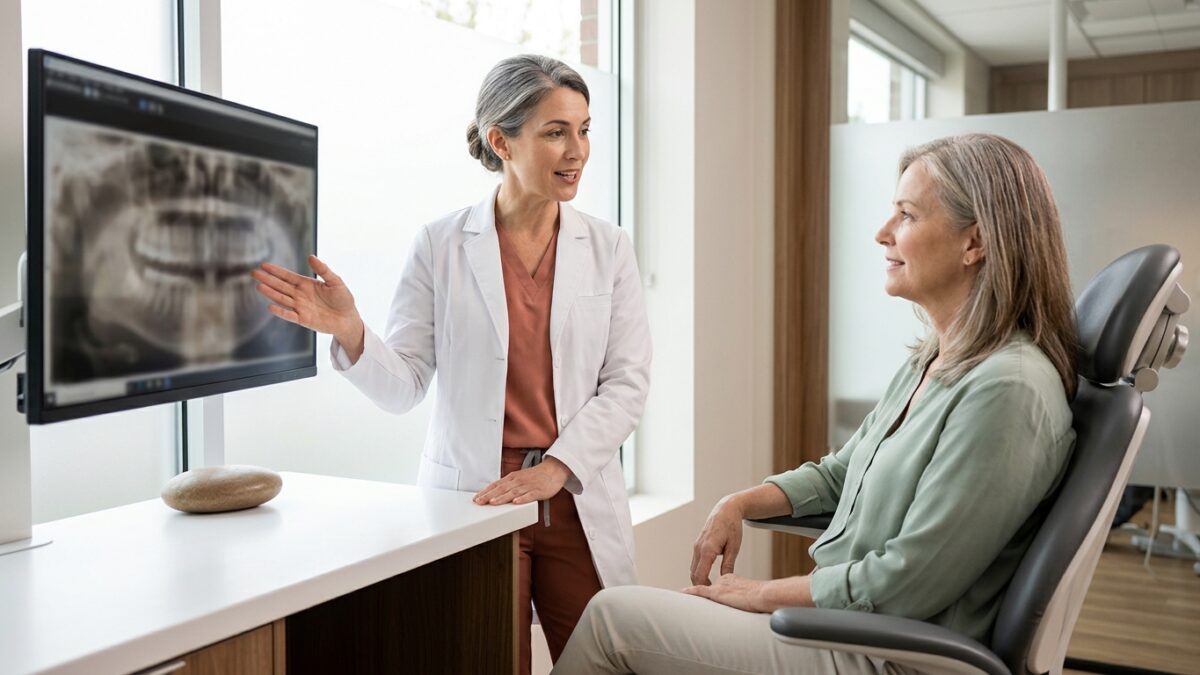
Last updated: August 14, 2026
Oral Surgeon San Diego: Cleveland Clinic Breakthrough
For patients facing complex maxillofacial reconstruction, a groundbreaking approach emerging from Cleveland Clinic research offers new hope. In August 2026, Cleveland Clinic’s consultQD published case studies demonstrating how integrated surgical-prosthodontic planning achieves superior outcomes for patients with major maxillary defects previously considered inoperable. San Diego patients can now access these advanced multidisciplinary care models locally, transforming what’s possible in oral surgery and dental rehabilitation.
What Did Cleveland Clinic’s New Case Studies Reveal About Oral Surgery Outcomes?
Cleveland Clinic’s research demonstrates that multidisciplinary coordination between oral surgeons and prosthodontists from the earliest stages of treatment planning produces measurably superior reconstruction outcomes. The published case studies showcase successful dental rehabilitation for major maxillary defects that had previously been deemed inoperable at other institutions. These findings represent a significant shift in how complex maxillofacial reconstruction is approached across the United States.
How Does Integrated Planning Improve Surgical Results?
Traditional oral surgery often follows a sequential approach where surgical intervention precedes prosthetic considerations. Cleveland Clinic’s research reveals that reversing this sequence – incorporating prosthodontic input before surgery – dramatically improves functional and aesthetic outcomes. When prosthetic goals guide surgical execution, patients experience fewer complications, shorter rehabilitation periods, and more predictable long-term results. This proactive coordination allows surgeons to prepare for implant placement, tissue grafting, and bone reconstruction with precise prosthetic specifications already established.
What Makes These Maxillofacial Reconstruction Cases Significant?
The significance of these cases extends beyond individual patient success stories. Panoramic radiograph evidence presented in the Cleveland Clinic studies documents completed midface reconstruction with deficient maxilla – conditions that historically presented treatment dead-ends. By demonstrating reproducible protocols for previously inoperable cases, this research provides oral surgeons nationwide with validated frameworks for tackling the most challenging reconstruction scenarios. The studies establish that integrated planning is not merely beneficial but essential for optimal patient outcomes in complex maxillofacial surgery.
How Does an Oral Surgeon Approach Integrated Surgical-Prosthodontic Planning?
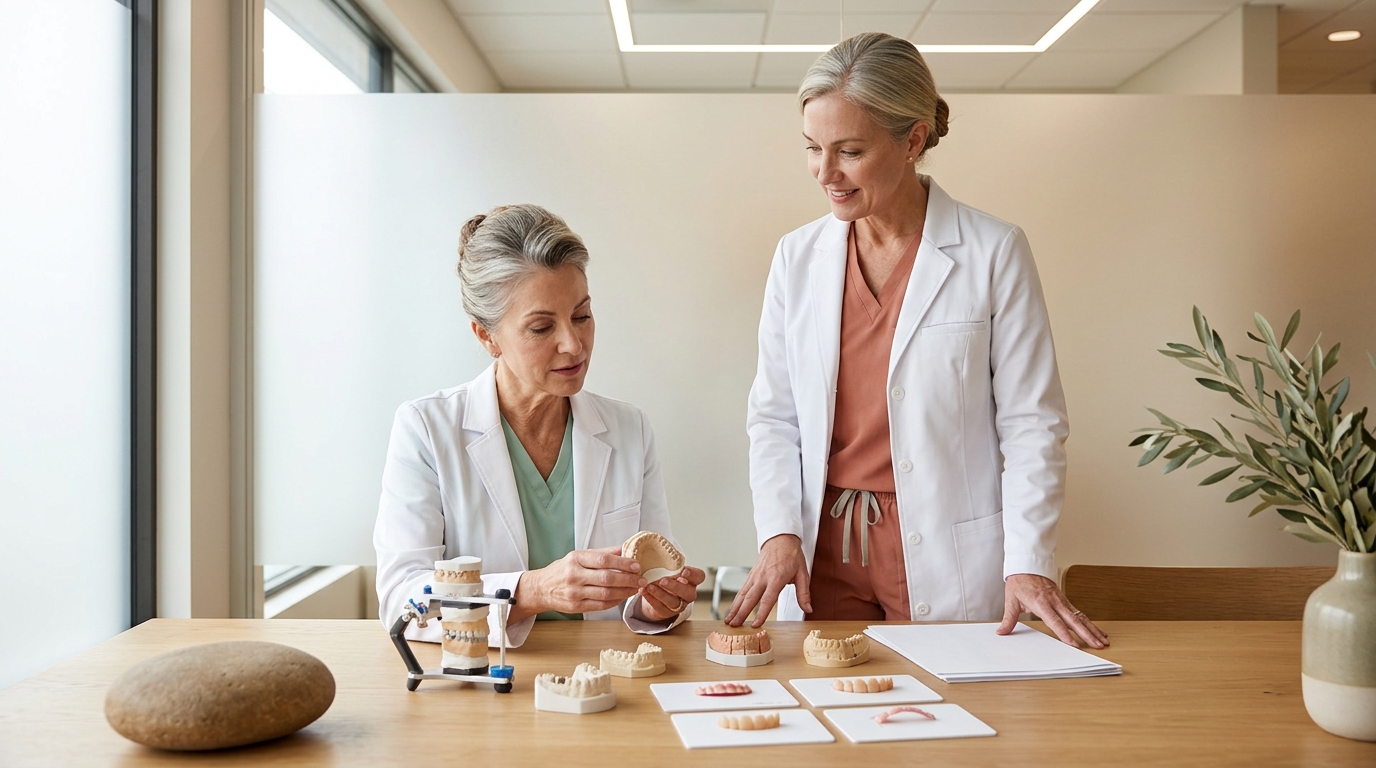
Integrated surgical-prosthodontic planning is a collaborative treatment framework where oral surgeons and prosthodontists work together from the initial patient assessment through final rehabilitation. Rather than operating in separate phases, both specialists contribute expertise simultaneously, creating a unified treatment roadmap that addresses both surgical reconstruction needs and long-term prosthetic function. This approach ensures that every surgical decision supports the ultimate goal of complete dental rehabilitation.
How Does Collaboration Between Specialists Work?
In integrated planning, the prosthodontist participates in diagnostic imaging review, treatment simulation, and prosthetic design discussions alongside the oral surgeon. The oral surgeon provides surgical feasibility assessments, while the prosthodontist contributes prosthetic requirements such as implant positioning, angulation, and emergence profile specifications. Together, they develop a phased treatment plan that sequences surgical procedures, healing periods, and prosthetic fabrication steps in optimal progression. Regular case conferences allow both specialists to adjust the plan as treatment evolves, maintaining alignment between surgical and prosthetic objectives.
Why Does Early Prosthodontic Input Matter?
Early prosthodontic involvement prevents the most common failure point in complex reconstruction: surgical success that doesn’t translate to prosthetic function. When prosthodontists evaluate patients during initial consultation, they can identify anatomical constraints, aesthetic requirements, and functional goals that should guide surgical planning. This foresight allows for proper implant selection, strategic bone grafting, and soft tissue management that creates the foundation for successful prosthetic restoration. Patients who receive early prosthodontic input avoid the disappointment of completing extensive surgery only to face prosthetic limitations.
What Conditions Benefit From Integrated Oral Surgery Planning?
Integrated surgical-prosthodontic planning proves most valuable for patients whose conditions involve significant structural loss, functional compromise, or complex rehabilitation needs. Trauma patients, cancer survivors requiring resection reconstruction, and individuals with congenital defects all benefit substantially from this coordinated approach. The comprehensive nature of integrated planning makes it possible to address multiple simultaneous challenges within a single coherent treatment framework. For those seeking an oral surgeon in San Diego who practices this multidisciplinary methodology, options are increasingly available throughout the region.
How Are Trauma Cases Addressed?
Trauma patients often present with fractured facial bones, missing teeth, damaged alveolar ridge, and soft tissue injuries that require coordinated surgical and prosthetic solutions. Integrated planning allows oral surgeons to reconstruct bony architecture while prosthodontists prepare for immediate or eventual tooth replacement. For patients in San Diego seeking care after accidents or sports injuries, this approach ensures that emergency surgical stabilization aligns with long-term functional restoration goals. The result is comprehensive recovery that addresses both immediate health concerns and lasting dental function. Those interested in learning more about comprehensive dental services available locally can explore Bajars & Bajars Dental for additional information.
What Options Exist for Cancer Reconstruction Patients?
Patients recovering from head and neck cancer face unique reconstruction challenges, often involving tissue removal from the maxilla, mandible, or surrounding structures. Cleveland Clinic’s research specifically highlights successful reconstruction for patients with major maxillary defects following tumor resection. Integrated planning coordinates flap surgery, bone grafting, and implant placement with prosthetic design for obturators, hybrid dentures, or full-arch restorations. For cancer survivors in the San Diego area, this multidisciplinary approach means accessing comprehensive reconstruction without navigating fragmented referrals between specialists.
How Is Comprehensive Dental Rehabilitation Achieved for Complex Cases?
Comprehensive dental rehabilitation for complex cases unfolds through carefully coordinated phases that begin with detailed diagnostic assessment and progress through surgical intervention to final prosthetic delivery. Every step maintains alignment between surgical execution and prosthetic requirements, ensuring that earlier phases create appropriate foundations for later ones. This systematic approach transforms seemingly insurmountable dental challenges into achievable rehabilitation outcomes.
A panoramic radiograph display showing detailed maxillofacial imaging serves as the diagnostic foundation for integrated surgical-prosthodontic treatment planning. These comprehensive imaging studies reveal bone quality, anatomical structures, and pathological conditions that inform both surgical and prosthetic decisions simultaneously.
What Role Does Panoramic Imaging Play in Planning?
Panoramic radiography provides the broad anatomical overview necessary for comprehensive treatment planning in complex reconstruction cases. These imaging studies capture the entire maxillofacial structure in a single view, revealing bone height, sinus positions, nerve locations, and existing pathology that affects both surgical and prosthetic decision-making. When interpreted collaboratively by oral surgeons and prosthodontists, panoramic imaging guides implant positioning, bone grafting extent, and prosthetic framework design with equal relevance to both specialists. Patients interested in understanding how modern diagnostic technology supports treatment planning can learn about AI-enhanced oral examination techniques that represent similar diagnostic advances.
How Do Surgical and Prosthetic Goals Align?
Surgical and prosthetic goals align through shared treatment planning sessions where both specialists evaluate imaging, discuss patient factors, and establish unified objectives. The oral surgeon commits to surgical movements that facilitate prosthetic success, while the prosthodontist designs prosthetic solutions that respect surgical realities. This mutual accommodation produces treatment plans where each phase reinforces the next, eliminating the conflicts that arise when specialists work independently. Patients experience smoother treatment progression and more predictable outcomes when their care team maintains this integrated perspective throughout rehabilitation.
What Recovery Expectations Should Oral Surgery Patients Have After Maxillofacial Reconstruction?
Recovery from complex maxillofacial reconstruction varies based on the extent of surgical intervention, patient health factors, and the specific reconstruction techniques employed. Patients can generally expect a phased recovery process that begins with immediate post-operative healing and progresses through tissue maturation before final prosthetic integration. Understanding this timeline helps patients prepare mentally and practically for the rehabilitation journey ahead. Those working with an oral surgeon who follows integrated protocols often experience more predictable recovery trajectories due to the careful preoperative planning involved.
How Does the Multidisciplinary Team Support Recovery?
The multidisciplinary team provides coordinated recovery support that addresses both surgical and prosthetic needs simultaneously. The oral surgeon monitors bone healing, manages post-operative complications, and clears patients for subsequent treatment phases. The prosthodontist prepares interim prosthetic solutions, monitors soft tissue response to prosthetic loading, and refines final restoration designs based on healing observations. This parallel attention ensures that recovery progresses smoothly for both surgical and prosthetic objectives, with both specialists adjusting their approaches as needed based on patient response.
What Follow-Up Care Ensures Lasting Results?
Long-term success following complex maxillofacial reconstruction depends on consistent follow-up care that monitors both structural stability and prosthetic function. Regular examinations assess bone integration around implants, soft tissue health around prosthetic components, and overall occlusal function during daily use. Proactive maintenance visits allow the care team to address emerging concerns before they compromise reconstruction integrity. Patients who commit to recommended follow-up schedules enjoy sustained functional and aesthetic outcomes that justify their initial treatment investment.
How Can San Diego Patients Access Integrated Oral Surgery Care?
San Diego-area residents seeking integrated oral surgery care for complex maxillofacial conditions have increasingly accessible options within their own communities. The same multidisciplinary principles validated by Cleveland Clinic research are now available through specialized dental practices serving patients throughout the region. Understanding what to seek in a provider helps patients identify practices capable of delivering this advanced standard of care.
What Should Patients Look for in an Oral Surgery Practice?
When evaluating oral surgery practices for complex reconstruction needs, patients should seek providers who demonstrate collaborative care capabilities rather than isolated surgical expertise. Look for practices that emphasize comprehensive initial assessment, maintain relationships with prosthodontic specialists, and explain treatment approaches in terms of functional outcomes rather than procedural steps alone. Practices that coordinate imaging interpretation, treatment planning, and follow-up care within unified frameworks demonstrate the integrated philosophy that produces superior reconstruction results. Patients can also explore how comprehensive treatment planning applies to periodontal care as an example of coordinated dental approaches.
Why Choose a San Diego Specialist for Complex Reconstruction?
Choosing a San Diego specialist for complex maxillofacial reconstruction offers significant practical advantages beyond the clinical capabilities themselves. Local care eliminates travel burdens during extended treatment phases requiring multiple appointments. Community-based providers understand regional patient needs and preferences, delivering care within familiar healthcare networks. For patients throughout San Diego, Lemon Grove, National City, La Mesa, Chula Vista, and Coronado, accessing integrated oral surgery locally means receiving Cleveland Clinic-caliber multidisciplinary planning without sacrificing convenience or continuity of care.
Bajars Dental provides comprehensive oral surgery and dental rehabilitation services for patients throughout San Diego and surrounding communities. Their team offers integrated treatment planning that coordinates surgical and prosthetic care for complex maxillofacial reconstruction cases. Patients seeking evaluation for trauma recovery, cancer reconstruction, or congenital defect rehabilitation can schedule consultations to explore their options. Contact Bajars Dental to learn how their multidisciplinary approach to oral surgery can help you achieve lasting functional and aesthetic outcomes.
Frequently Asked Questions
What is integrated surgical-prosthodontic planning for maxillofacial reconstruction?
Integrated surgical-prosthodontic planning is a collaborative treatment framework where oral surgeons and prosthodontists work together from initial patient assessment through final rehabilitation. Both specialists contribute expertise simultaneously, creating a unified treatment roadmap that addresses surgical reconstruction needs and long-term prosthetic function. Every surgical decision supports the ultimate goal of complete dental rehabilitation.
How does integrated planning improve maxillofacial reconstruction outcomes?
Cleveland Clinic research demonstrates that reversing traditional sequential approaches by incorporating prosthodontic input before surgery dramatically improves functional and aesthetic outcomes. When prosthetic goals guide surgical execution, patients experience fewer complications, shorter rehabilitation periods, and more predictable long-term results. This proactive coordination allows surgeons to prepare with precise prosthetic specifications already established.
What conditions benefit most from integrated oral surgery planning?
Integrated planning proves most valuable for patients with significant structural loss, functional compromise, or complex rehabilitation needs. Trauma patients with fractured facial bones and missing teeth benefit substantially. Cancer survivors requiring resection reconstruction, particularly those with major maxillary defects following tumor removal, see significant advantages. Individuals with congenital defects also benefit from this coordinated multidisciplinary approach.
What is the recovery process for complex maxillofacial reconstruction?
Recovery follows a phased process beginning with immediate post-operative healing and progressing through tissue maturation before final prosthetic integration. The multidisciplinary team provides coordinated support where the oral surgeon monitors bone healing while the prosthodontist prepares interim prosthetic solutions. Both specialists adjust approaches based on patient response, ensuring recovery progresses smoothly toward functional restoration.
Why does early prosthodontic input matter in oral surgery?
Early prosthodontic involvement prevents the most common failure point in complex reconstruction: surgical success that does not translate to prosthetic function. When prosthodontists evaluate patients during initial consultation, they identify anatomical constraints, aesthetic requirements, and functional goals that guide surgical planning. This foresight allows for proper implant selection, strategic bone grafting, and soft tissue management that creates optimal foundations.
How can San Diego patients access integrated oral surgery care?
San Diego-area residents can access integrated oral surgery care through specialized dental practices offering multidisciplinary care within their communities. Patients should seek providers who demonstrate collaborative care capabilities, emphasize comprehensive initial assessment, maintain relationships with prosthodontic specialists, and explain treatment approaches in terms of functional outcomes. Local care eliminates travel burdens during extended treatment phases.
Related reading
- Bajars & Bajars Dental provides comprehensive dental services in San Diego and Coronado, offering both general and cosmetic dentistry treatments including implants, crowns, teeth whitening, Invisalign, root canal therapy, and preventive care.
- Oral Lesion Testing: When to Worry and What to Expect
- Periodontal disease treatment involves non-surgical procedures like root scaling and planing to remove plaque and bacterial calculus buildup that causes gingivitis and tooth decay. Prevention strategies include proper oral hygiene with fluoride toothpaste and regular dental checkups.