Teeth Straightening: Braces vs Aligners
August 29, 2026
Oral Cancer Screening: New Technologies for Early Detection
September 4, 2026
Last updated: September 1, 2026
Dental practices across the San Diego County area are navigating a significant transition in filling material options, with many adopting composite fillings as a modern alternative to traditional materials. While the American Dental Association continues to affirm the safety and durability of traditional amalgam fillings, new environmental regulations are accelerating the adoption of tooth-colored composite alternatives. For National City, California patients seeking dental care, understanding these changes can help guide informed decisions about treatment options.
Why Are Dental Practices Moving Away From Amalgam Fillings?
Dental amalgam has served patients reliably for over a century, but regulatory and environmental considerations are reshaping material selection in modern dentistry. The Minamata Convention on Mercury, which entered into force in 2017, established international guidelines for reducing mercury use, including in dental applications. Patients and practitioners are increasingly exploring alternative materials that meet evolving environmental standards while maintaining clinical effectiveness.

What Is Driving the Shift to Composite Fillings?
Several converging factors are influencing this transition. Environmental compliance requirements under the Minamata Convention have prompted dental practices nationwide to evaluate alternative materials. Additionally, patient preferences for more natural-looking restorations have contributed to increased demand for composite options. The dental profession continues to balance material performance with regulatory requirements and patient expectations.
How Does the EPA Dental Effluent Rule Affect Dental Offices?
The Environmental Protection Agency has established guidelines addressing dental office waste streams, including protocols for managing filling materials. These regulations aim to minimize environmental impact while maintaining high standards of patient care. Practices in communities like National City, Chula Vista, and across San Diego County are adapting their workflows to meet these requirements while continuing to provide quality restorative options.
What Is the ADA’s Position on Dental Amalgam Safety?
The American Dental Association maintains that dental amalgam remains a safe and effective restoration material. Extensive research spanning decades supports the continued use of amalgam for appropriate clinical situations, with the organization affirming that amalgam has successfully served the profession for over 150 years. The ADA’s position reflects ongoing evaluation of scientific evidence and clinical outcomes.
Is Amalgam Still Considered Safe for Patients?
According to the American Dental Association, amalgam continues to be recognized as a durable, affordable, and clinically effective filling material. The organization emphasizes that amalgam restorations have demonstrated strong longevity and survivability in clinical practice. Patients should discuss their specific situation with their dental provider to determine the most appropriate material for their individual needs, whether they are considering treatment in National City, Lemon Grove, or elsewhere in the region.
What Are Composite Fillings Made Of?
Composite fillings consist of a tooth-colored resin matrix combined with finely ground glass or quartz particles. This mixture creates a durable, aesthetic restoration that bonds directly to natural tooth structure. The resin component allows for color matching to surrounding teeth, making composites particularly popular for visible areas. These modern materials combine plastic and ceramic components in precise ratios to achieve both strength and natural appearance.
How Do Composite Resin Materials Work?
Composite resin materials are placed in layers within the prepared tooth cavity. Each layer is hardened using a specialized blue light that activates the curing process. This technique allows dentists to sculpt the restoration precisely to match the natural tooth anatomy. The material bonds micromechanically to enamel and dentin, creating a secure seal that helps protect against recurrent decay.
Are White Fillings as Durable as Metal Fillings?
Modern composite materials have achieved significant improvements in strength and wear resistance. While amalgam has historically demonstrated excellent longevity in load-bearing posterior teeth, contemporary composites offer reliable durability for small to medium-sized restorations.
What Are the Benefits of Choosing Composite Fillings?
Composite fillings offer several advantages that appeal to both patients and dental professionals. The ability to match natural tooth color makes these restorations particularly attractive for visible teeth in the smile zone, while the bonding mechanism helps preserve healthy tooth structure during preparation. These benefits have contributed to growing preference for composite materials in practices throughout San Diego County.
Do Composite Fillings Look More Natural?
The aesthetic quality of composite restorations represents a significant advancement in restorative dentistry. Dentists select from a range of shades to precisely match surrounding tooth structure, creating seamless transitions that are virtually undetectable. This natural appearance appeals to patients throughout San Diego County communities, from La Mesa to Coronado, who value both function and aesthetics in their dental care.
How Do Composites Preserve Healthy Tooth Structure?
The bonding properties of composite resin allow for more conservative preparation techniques. Unlike amalgam, which requires mechanical retention through undercuts, composite bonds directly to tooth structure. This approach means dentists can preserve more healthy enamel and dentin during the filling process. The adhesive bond also helps support the remaining tooth structure, potentially reducing the risk of fracture over time.
What Should National City Patients Know Before Getting a Filling?
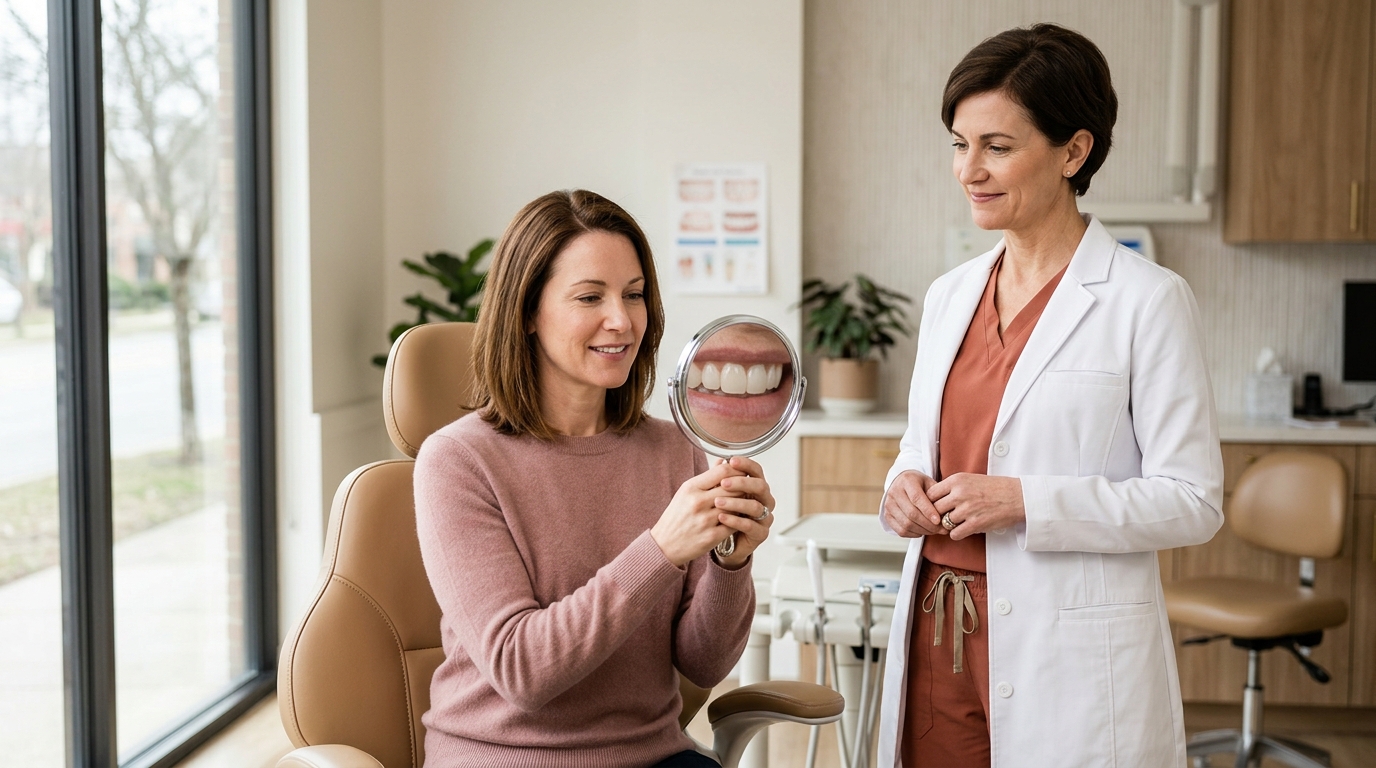
Making decisions about dental fillings involves understanding available options, material characteristics, and how they align with individual circumstances. Patients throughout National City, California and surrounding communities benefit from discussing their priorities with an experienced dental provider who can explain the advantages and considerations of each material choice.
How Do I Know Which Filling Material Is Right for Me?
Several factors influence filling material selection, including the location and size of the restoration, aesthetic preferences, and clinical requirements. Your dentist will evaluate the specific situation and recommend options that balance durability, appearance, and long-term outcomes. For patients in the National City area, this personalized approach ensures treatment aligns with both clinical needs and individual preferences.
What Questions Should I Ask My Dentist About Filling Options?
Consider asking your dental provider about the expected longevity of different materials, aesthetic considerations for your specific teeth, and any post-placement care requirements. Understanding how each option fits your circumstances helps support satisfying results. Patients in San Diego County can benefit from discussing both traditional and modern approaches to find the most suitable solution.
Risks, Side Effects and Who Is Not a Candidate
Like all dental procedures, composite fillings carry potential considerations. Some patients may experience temporary sensitivity following placement. In rare cases, allergic reactions to resin components have been reported. Composite restorations may require replacement over time due to wear, chipping, or recurrent decay at the margins. Patients with extensive tooth damage, severe bruxism, or compromised tooth structure may not be ideal candidates for composite fillings and should discuss alternative options with their dental provider. Discuss your complete medical history with your dentist to determine whether composite fillings are appropriate for your situation, and report any allergies or sensitivities before treatment.
Making informed choices about dental fillings begins with understanding your options and working with a trusted provider. Whether you are exploring treatment in National City, San Diego, or any of the surrounding communities, Bajars Dental offers consultations to help patients understand which filling materials best suit their needs and goals. Contact the experienced team to schedule an appointment and learn more about white fillings and composite filling options for your dental care. For patients concerned about tooth decay prevention, dental sealants may also be worth discussing with your provider.
Frequently Asked Questions
What are composite fillings made of?
Composite fillings consist of a tooth-colored resin matrix combined with finely ground glass or quartz particles. This mixture creates a durable, aesthetic restoration that bonds directly to natural tooth structure. The resin component allows for color matching to surrounding teeth, making composites particularly popular for visible areas.
Why are dental practices switching to composite fillings?
Several converging factors are driving this transition. Environmental compliance requirements under the Minamata Convention have prompted practices to evaluate alternatives. Additionally, patient preferences for more natural-looking restorations have contributed to increased demand. The profession continues to balance material performance with regulatory requirements and patient expectations.
How do composite resin fillings work?
Composite resin materials are placed in layers within the prepared tooth cavity. Each layer is hardened using a specialized blue light that activates the curing process. This technique allows dentists to sculpt the restoration precisely to match natural tooth anatomy. The material bonds micromechanically to enamel and dentin, creating a secure seal that helps protect against recurrent decay.
Are white fillings as durable as metal amalgam fillings?
Modern composite materials have achieved significant improvements in strength and wear resistance. While amalgam has historically demonstrated excellent longevity in load-bearing posterior teeth, contemporary composites offer reliable durability for small to medium-sized restorations. Research indicates that alternative restorative materials continue to evolve while providing aesthetic benefits.
Do composite fillings preserve healthy tooth structure?
Yes, the bonding properties of composite resin allow for more conservative preparation techniques. Unlike amalgam, which requires mechanical retention through undercuts, composite bonds directly to tooth structure. This approach means dentists can preserve more healthy enamel and dentin. The adhesive bond also helps support remaining tooth structure, potentially reducing fracture risk over time.
Who should not get composite fillings?
Patients with extensive tooth damage, severe bruxism, or compromised tooth structure may not be ideal candidates for composite fillings and should discuss alternatives with their dental provider. Some patients may experience temporary sensitivity following placement, and rare allergic reactions to resin components have been reported. Discuss your complete medical history with your dentist to determine if composites are appropriate.
What questions should I ask my dentist about filling options?
Consider asking about the expected longevity of different materials, aesthetic considerations for your specific teeth, and post-placement care requirements. Understanding how each option fits your circumstances helps support satisfying results. Your dentist will evaluate your situation and recommend options that balance durability, appearance, and long-term outcomes.
Related reading
- Bite splints are custom-made dental appliances prescribed to treat teeth
- Dental sealants function as protective films applied to molar and premolar
- White dental fillings use composite resin materials combining quartz
Sources
- Amalgam | American Dental Association
- Is it the end of the road for dental amalgam? A critical review – PMC
This article is general information and is not medical advice. Talk to a licensed clinician about your own situation before making a treatment decision.