Dental Implants for Missing Front Teeth: A Crown-First Plan
November 15, 2026
Last updated: November 20, 2026
A sensitive teeth dentist looks for the reason cold, heat, sweets, or brushing hurts, then recommends care that fits the cause. If sensitivity keeps returning or turns into a lasting toothache, an examination can help distinguish exposed dentin from a problem that needs dental treatment.
What can a sensitive teeth dentist do for you?
A sensitive teeth dentist can identify what triggers the pain, check the teeth and gums, and recommend treatment matched to the cause. Brief pain from an exposed tooth root may respond to desensitizing toothpaste, while decay or a damaged tooth may need repair. Persistent pain calls for a closer examination rather than a toothpaste change alone.
At Bajars & Bajars Dental in San Diego, we welcome patients from Lemon Grove who want help with sensitive teeth. The American Dental Association’s guidance on sensitive teeth explains why treatment varies: worn enamel, gum recession, decay, fractures, and worn fillings can expose a tooth to painful sensations in different ways.
What does tooth sensitivity feel like?
Sensitivity often feels like a sharp twinge when a tooth meets a cold drink, hot food, something sweet, or a toothbrush. Pain that starts without a clear trigger, lingers after the trigger is gone, or becomes a steady ache deserves a different assessment. The sensation alone cannot tell you which part of the tooth is affected.
Can sensitive teeth be treated without dental work?
Sometimes. When an examination points to dentin hypersensitivity rather than decay or infection, a desensitizing toothpaste and gentler daily care may be appropriate. Toothpaste cannot fill a cavity, repair a crack, or treat damaged pulp.
When should you see a dentist for sensitive teeth?
Book a dental assessment when sensitivity recurs, worsens, affects a particular tooth, or makes eating and brushing difficult. Seek prompt assessment for severe or spontaneous pain, fever, or swelling. Difficulty breathing or swallowing needs emergency medical care because swelling or infection may threaten the airway.
The American Dental Association’s dental symptoms guidance advises having a toothache evaluated right away to determine its cause. The American Dental Association’s dental emergency guidance identifies swelling that could compromise the airway as an emergency.
What will a dentist do for a severe toothache?
The dentist first examines the painful area and looks for the source of the ache. Depending on what the examination shows, treatment could involve a filling for decay, root canal treatment to save a tooth with damaged pulp, or extraction when the tooth cannot be saved. A MedlinePlus guide to toothaches describes these as cause-dependent options, not interchangeable fixes for every painful tooth. If an abscess is the cause, treatment may include draining it, root canal treatment to save the tooth, or extraction; antibiotics may also be prescribed when appropriate, according to MedlinePlus’s guide to tooth abscesses.
How does a dentist find the cause of tooth sensitivity?
A dentist asks what brings on the pain, where it occurs, and whether it stops when the trigger ends. An examination checks the teeth, existing fillings, and gums for possible causes. The dentist may use additional tests or dental X-rays when the findings suggest decay, a crack, or a problem inside the tooth.
Possible explanations include enamel wear, an exposed root from gum recession, decay, a cracked tooth, grinding-related damage, and pulp problems. More than one condition can cause a similar twinge, so a symptom description is a starting point rather than a diagnosis. Tell the dentist about any recent injury, fever, medications you take, or pain that wakes you at night; these details can help guide the examination.
What are the symptoms of tooth root pain?
An exposed root can hurt briefly when cold, touch, or brushing reaches it. Pain that lingers, appears spontaneously, or comes with pain on chewing may point toward a different problem, including deeper damage or infection. An abscess can cause a continuous toothache, pain when chewing, fever, or swelling. An examination is needed to tell these conditions apart.
Which toothpaste ingredients may help sensitive teeth?
Desensitizing toothpaste may help with dentin hypersensitivity. Potassium nitrate, fluoride, nano-hydroxyapatite, and tricalcium phosphate have different sensitivity-related or preventive uses, so the ingredient is worth checking when comparing products.
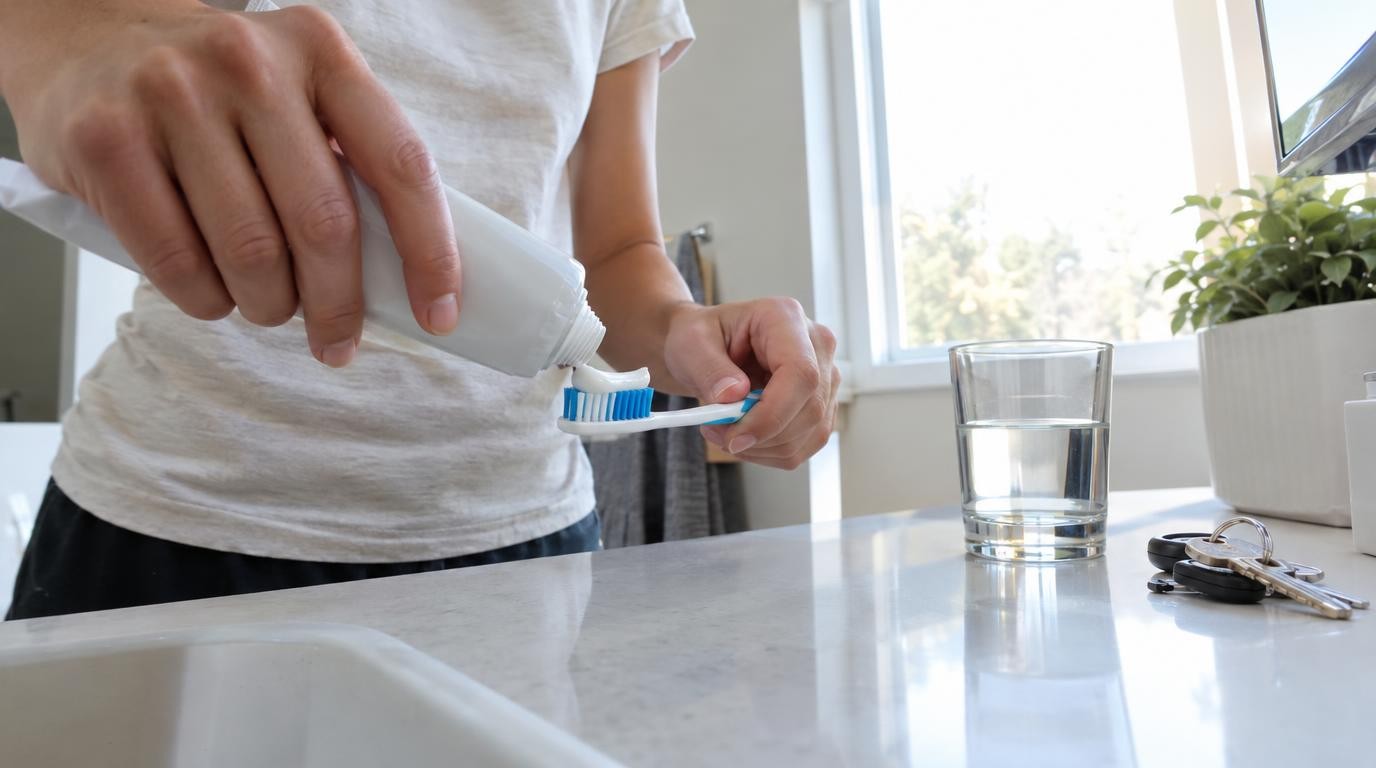
The American Dental Association notes that desensitizing toothpaste generally needs repeated applications before sensitivity decreases. An article on the American Dental Association’s website about reducing sensitivity identifies potassium nitrate as an ingredient used to help block painful stimuli. The following comparison shows what each ingredient is used for and where its limits lie.
| Ingredient | Why discuss it? | Important limit |
|---|---|---|
| Potassium nitrate | Used in desensitizing toothpaste to reduce sensitivity signals. | Does not repair tooth damage. |
| Fluoride | Supports cavity prevention and is included in some sensitivity-care approaches. | Cavity risk still matters when choosing a formula. |
| Nano-hydroxyapatite | Has been studied in comparison with fluoride for dentin hypersensitivity. | Research on an ingredient does not establish the cause of an individual’s pain. |
| Tricalcium phosphate | Has been studied as an ingredient in desensitizing toothpaste. | Results for one formulation may not apply to every product. |
What roles do nano-hydroxyapatite and fluoride play in sensitivity care?
Nano-hydroxyapatite and fluoride have both been studied for dentin hypersensitivity in a systematic review comparing the ingredients. Fluoride toothpaste also helps prevent cavities, an important difference when weighing toothpaste options. The Centers for Disease Control and Prevention’s explanation of cavities describes how acid damages enamel and how decay can progress to sensitivity and pain.
Separately, a randomized clinical trial comparing desensitizing toothpaste formulations examined tricalcium phosphate alongside other formulations. Such comparisons can inform an ingredient-specific trial, but they do not make toothpaste the right treatment for every sensitive tooth.
When should you ask a dentist before switching toothpaste?
If pain is confined to one tooth, keeps returning, worsens, or lingers after a trigger, get the tooth examined rather than relying on a toothpaste change. Decay, a crack, or a worn filling can cause similar symptoms but needs different care.
What will a dentist do for tooth sensitivity?
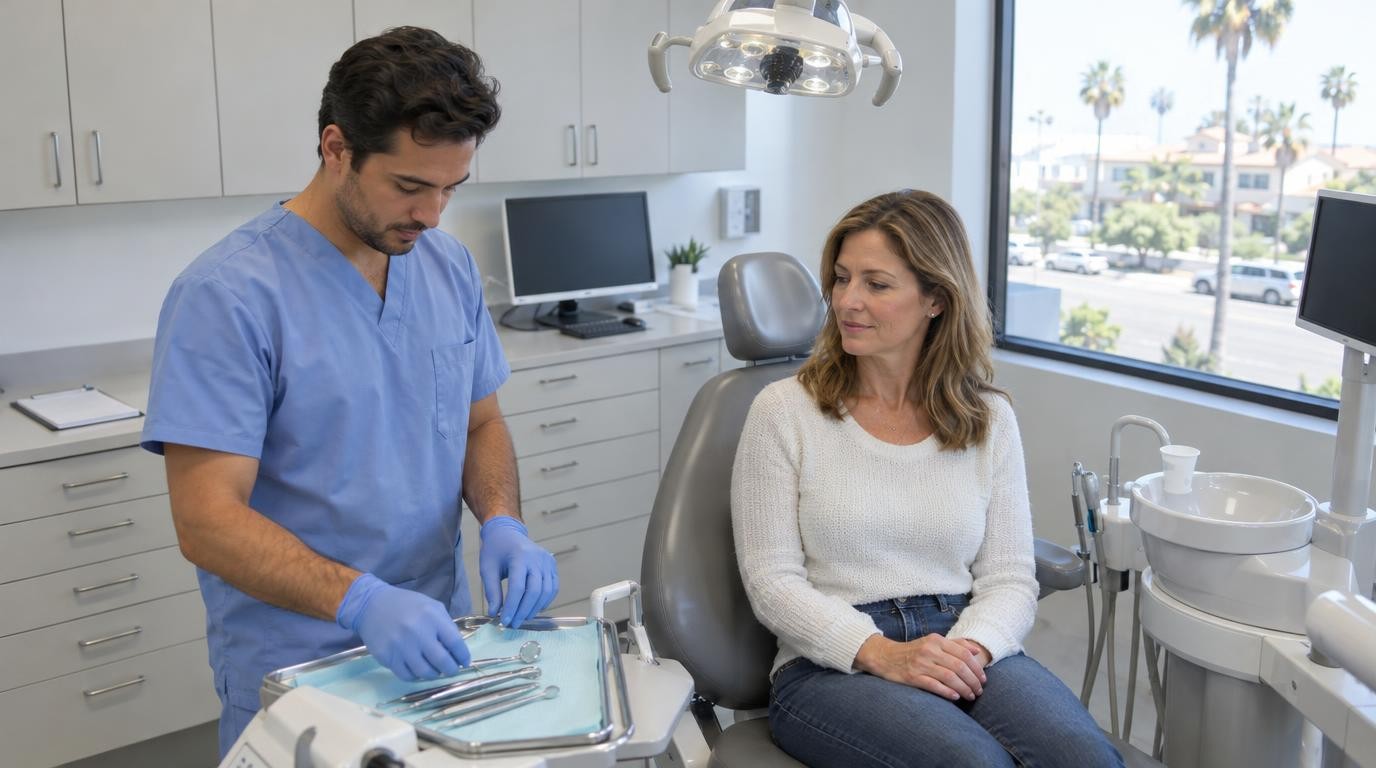
Treatment follows the cause: suitable dentin hypersensitivity may call for toothpaste, while decay, gum disease, grinding damage, or damaged pulp may require dental care. At Bajars & Bajars Dental, available services include tooth-colored fillings, periodontal treatment, custom bite splints, and root canal treatment. An examination determines which, if any, fits the tooth.
Which treatments address the cause rather than just the pain?
A cause-to-treatment plan may look like this:
- Exposed, sensitive dentin without a problem needing repair: A suitable desensitizing toothpaste may reduce the response to triggers.
- Decay or repairable damage: A tooth-colored composite filling may restore a cavity or small area of damage; a more extensively damaged tooth may need a different repair. Our guide to cavity treatment options explains how the condition of a tooth shapes the repair.
- Gum disease: When scaling and root planing are indicated, our non-surgical periodontal treatment removes plaque and tartar above and below the gumline and smooths the tooth roots to help the gums reattach.
- Grinding that contributes to tooth wear: A custom bite splint can help protect teeth from further damage. Learn more about how grinding can damage teeth.
- Damaged or infected pulp: Root canal treatment may save an appropriate tooth by removing the affected pulp, cleaning the canals, and sealing them. Our root canal treatment overview explains the process.
How long might relief take, and what is recovery like?
Toothpaste relief is generally assessed after repeated use, rather than after a single brushing. After scaling and root planing, you may have pain for a day or two and tooth sensitivity for up to a week, according to the American Dental Association’s scaling and root planing guidance. That timeframe is specific to deep cleaning; relief after a filling, bite splint, or root canal treatment depends on the problem and procedure. We can explain what discomfort to expect and when to contact us after examining your tooth.
Why do my teeth feel more sensitive after the dentist?
Temporary sensitivity can occur after dental work, including a deep cleaning or filling; whitening can also cause sensitivity. A new or worsening toothache should not be assumed to be a routine effect of treatment.
When is sensitivity after dental work worth a follow-up call?
Contact the dental office if pain persists, worsens, interrupts sleep, or comes with swelling. Tell the team which tooth hurts, what brings on the pain, whether it lingers, and what procedure you had. For example, a filling that feels too high when you bite may need an adjustment, while worsening pain or swelling needs further evaluation.
What are the risks of treating tooth sensitivity?
Self-treating sensitivity can delay care for a cavity, crack, or pulp infection. Dental treatments also have recovery considerations that depend on the procedure.
Who should avoid self-treating sensitive teeth?
Do not rely on toothpaste alone for severe, spontaneous, persistent, or worsening pain, especially with fever, swelling, pain when biting, or a pimple on the gum. Avoid products containing an ingredient to which you have a known allergy. If whitening causes pain, stop using the whitening product and arrange an assessment if the pain persists.
What side effects or limits should patients discuss before dental treatment?
A filling may leave temporary sensitivity and cannot address pain arising from damaged pulp. After scaling and root planing, gums may be tender, swollen, or bleed. A bite splint can take getting used to and protects against grinding-related damage rather than repairing existing decay. Root canal treatment requires an assessment of whether the tooth can be saved and how it will be restored. Discuss your symptoms, health history, and the risks of the proposed care with your own clinician before making a treatment decision.
How can you reduce sensitivity and decide what to do next?
Cut back on acidic foods and drinks if they aggravate sensitivity, and pause whitening products that cause pain. If grinding is contributing to tooth wear, a custom night guard may help protect teeth from further wear.
Which daily habits can help protect sensitive teeth?
The American Dental Association’s advice on preventing and treating tooth sensitivity recommends brushing gently twice a day with a soft-bristled brush and fluoride toothpaste. Continue cleaning between your teeth daily rather than avoiding a sensitive area altogether.
Frequently Asked Questions
Can a dentist apply fluoride gel for sensitive teeth?
Yes. An in-office fluoride gel application may strengthen enamel and reduce the transmission of sensations, according to the American Dental Association. It will not repair decay, a crack, or a worn filling that is causing sensitivity.
Can a gum graft help sensitivity from receding gums?
Yes. If gum tissue has been lost from a tooth root, a surgical gum graft can protect the root and reduce sensitivity, according to the American Dental Association. Not every exposed root needs grafting; treatment depends on what is causing the sensitivity.
Can bonding or a crown help a sensitive tooth?
Yes. Bonding, an inlay, or a crown may correct a flaw or decay that causes sensitivity, according to the American Dental Association. The appropriate repair depends on how much of the tooth is damaged.
If my toothache suddenly stops, could I still have an abscess?
Yes. An abscess-related toothache can stop when pressure is relieved, even though the infection remains active and may spread, according to MedlinePlus. Do not assume the tooth has healed because the pain stopped. Contact a dentist, especially if you notice a pimple on the gum or swelling.
What can I do for a toothache while waiting to see a dentist?
Rinse your mouth with warm water and gently floss to remove any trapped food, as the American Dental Association advises. If it is safe for you to take, an over-the-counter pain reliever may ease pain temporarily, but it will not treat the cause. Do not place aspirin directly on the tooth or gums because it may burn the tissue. Contact your dentist if pain persists or worsens.
Why do acidic foods hurt a sensitive tooth?
Acidic foods can hurt when enamel or the root’s protective covering no longer shields the dentin underneath. Its microscopic tubules can then allow acidic foods to reach nerves and cells inside the tooth, according to the American Dental Association. Acid-triggered pain alone does not establish what removed that protection.
Will I need a crown after a root canal for a sensitive tooth?
Not always. After a root canal, a tooth needs a definitive restoration, which may be a permanent filling or a crown. The American Dental Association explains that a temporary filling protects the tooth until that restoration can be placed. At Bajars Dental, we assess how the tooth should be restored.
What is the next step for sensitive teeth?
If sensitivity is affecting your meals or brushing, contact Bajars & Bajars Dental in San Diego for a consultation. Dr. Sandris Bajars works in general dentistry and endodontics, and Dr. Tania Bajars practices general dentistry. Our team can examine the cause and explain appropriate options for patients from San Diego and nearby Lemon Grove.
This information is general and is not medical advice. Talk to a licensed clinician about your own situation before making a treatment decision.
About the doctors at Bajars Dental
Dr. Sandris Bajars – General dentistry, endodontics and orthodontics; over 15 years of experience.
Dr. Tania Bajars – General dentistry.