Sensitive Teeth Dentist: When to Visit and What Helps
November 20, 2026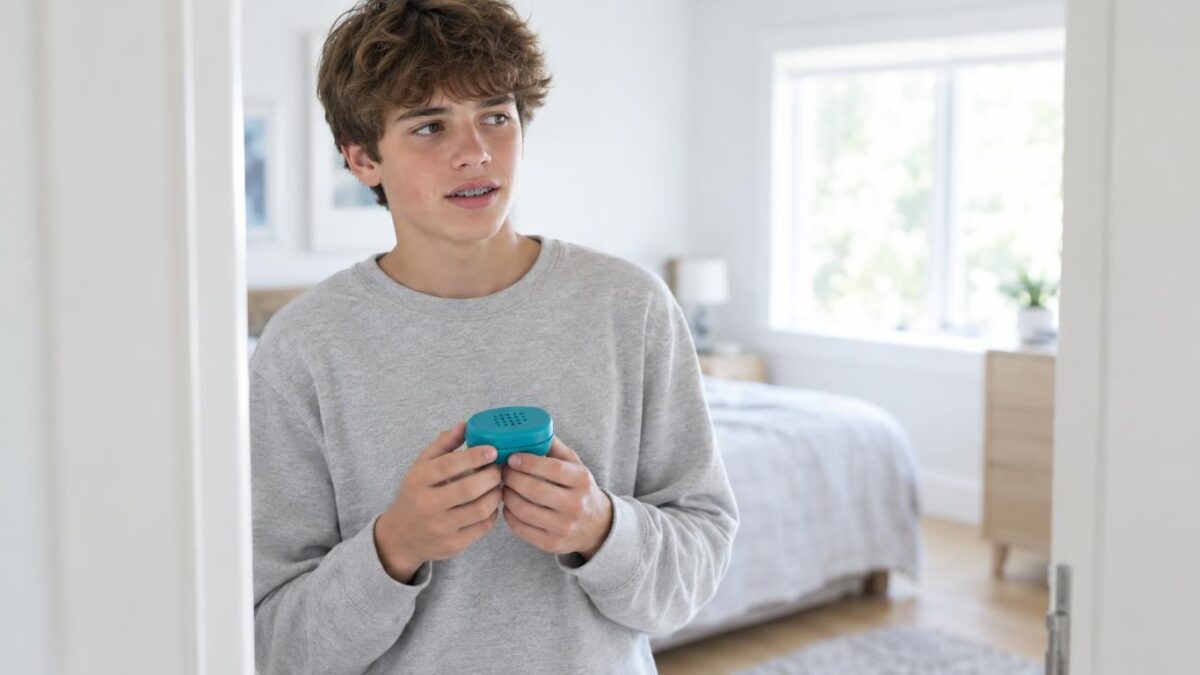
Last updated: November 24, 2026
Yes, you can wear a mouthguard with braces, and an appropriately fitted sports mouthguard is generally a good idea when an activity carries a risk of facial injury. The useful question is whether the guard covers your braces without catching, allows room for tooth movement, stays in place without disrupting breathing or speech, and is easy to clean. At Bajars Dental, we offer sports mouthguards in San Diego and recommend custom-made options for their individual fit and comfort.
Can You Still Wear a Mouthguard With Braces?
Yes, athletes with braces can wear a sports mouthguard that fits over their orthodontic appliances. A properly fitted guard cushions impacts and places a barrier between braces and the lips and cheeks. The guard may reduce dental and soft-tissue injuries, but no mouthguard eliminates the possibility of injury during sports.
Why Do Athletes With Braces Need a Sports Mouthguard?
A blow to the face can injure teeth, damage brackets or wires, or press braces into the lips and cheeks. The American Dental Association’s guidance on mouthguards and braces explains why proper fit matters for protecting both the teeth and the surrounding soft tissues. A guard may help reduce broken or chipped teeth, cuts to the lips and gums, tongue injuries, and jaw injuries.
Sports protection calls for an athletic mouthguard, not a guard intended for grinding during sleep. If you are comparing appliances, our guide to custom-fit night guards for teeth grinding explains that different purpose.
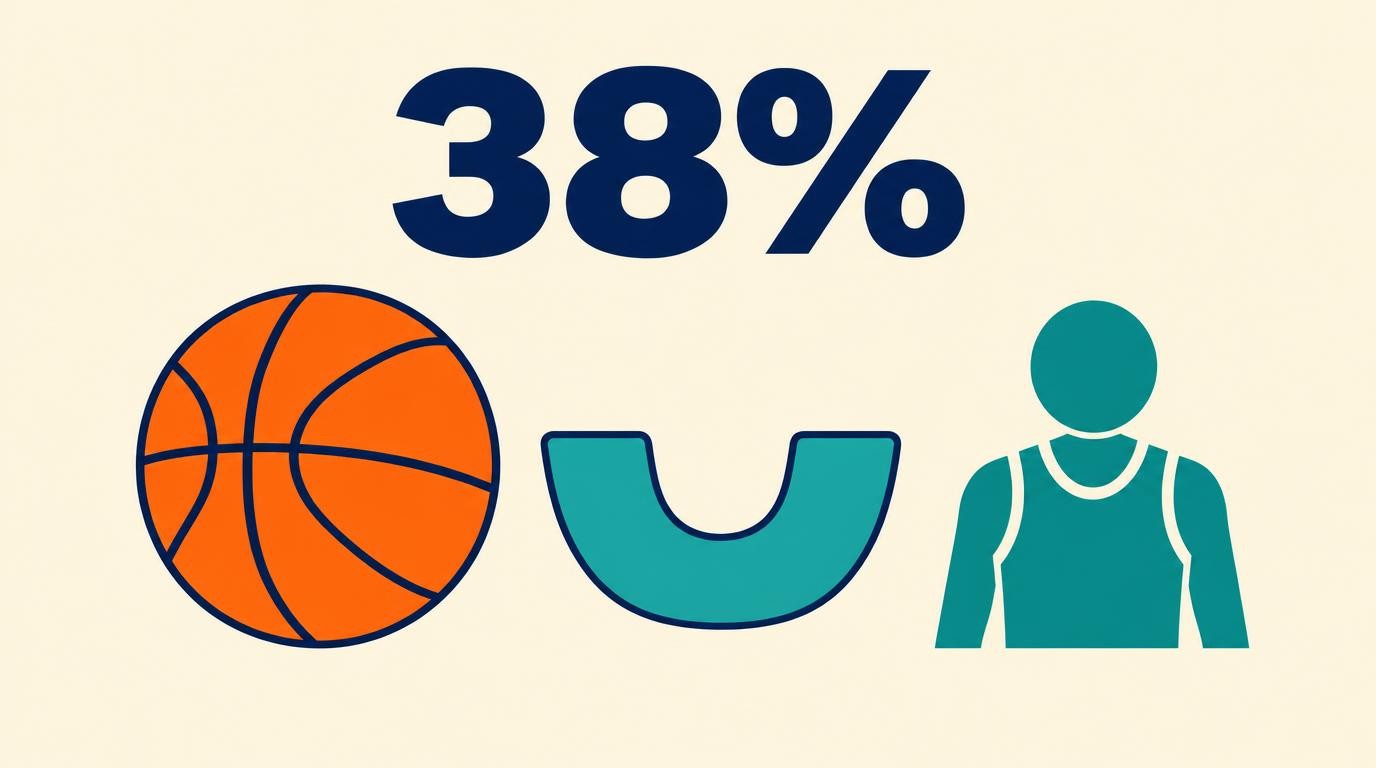
Mouthguard use can vary even among athletes with braces. A 2020 study of mouthguards during orthodontic treatment surveyed 75 patients ages 11–18: 53 played school-sponsored basketball and 22 played football. Its findings describe those surveyed players, not every athlete with braces:
| Sport in the 2020 study | Mouthguard use reported |
|---|---|
| Basketball | 38% of surveyed basketball players wore one |
| Football | All surveyed football players wore one |
How Can You Tell Whether a Mouthguard Fits Over Braces?
A mouthguard fits over braces when it covers the brackets and archwire without gripping them, allows room for teeth to move, and remains in place while the athlete breathes and speaks comfortably. The guard should also be straightforward to clean. Comfort and resistance to tearing matter more than a braces-compatible label alone.
- Coverage without catching: The guard covers the brackets and archwire but does not cling to the hardware when removed.
- Room for movement: The fit does not press tightly against teeth as their positions change during treatment.
- Retention with comfort: The guard stays in place without repeated biting or adjustment, while breathing and speaking remain comfortable.
- Cleanability: The guard can be cleaned as directed and checked for trapped debris, tears and distortion.
Does It Cover the Brackets Without Catching on Them?
Check coverage with the guard seated and again as you remove it. A guard that hooks onto a bracket or pulls against a wire is not passing the fit check, even if its packaging mentions braces. If you have braces on your lower teeth, ask whether those teeth also need protection; the American Dental Association notes that a dentist or orthodontist may recommend a lower guard in that situation.
Can You Breathe and Speak Normally While It Stays in Place?
Try speaking and breathing with the guard seated. A guard that repeatedly drops, needs constant biting to hold it in place, or makes either activity uncomfortable needs a fit assessment. Ready-made guards in particular can be bulky or difficult to retain, so evaluate the guard in your mouth rather than relying on its product description.
Which Type of Sports Mouthguard Works With Braces?
We generally prefer a dentist-made custom guard for its individualized fit and protection. If a custom guard is unavailable, a ready-made guard designed for braces is an alternative if it fits properly. As teeth move during treatment, reassess the fit of whichever guard you use.
The table compares how each option fits around fixed braces:
| Guard type | Fit consideration with braces |
|---|---|
| Braces-compatible ready-made | Check that its shape clears the hardware, stays in place and does not feel bulky. |
| Boil-and-bite | Material molded around brackets may catch when the guard is removed. |
| Custom-made | Individually made for fit and comfort; it should clear brackets and be checked as tooth positions change. |
Are Store-Bought Braces Mouthguards and Custom Mouthguards Different?
Ready-made guards arrive pre-formed; custom mouthguards are made for an individual mouth. That distinction does not replace an in-mouth fit check, particularly while braces move teeth. Our comparison of custom and store-bought sports mouthguards offers more detail on those options.
If a guard has a removable strap, check its instructions and your sport’s rules before using it with or without the strap. Strap options do not make a poorly fitting guard suitable.
Can You Use a Boil-and-Bite Mouthguard With Braces?
Newer 2023 Journal of the American Dental Association patient guidance advises people with braces not to use boil-and-bite guards and recommends a stock guard designed for braces or a custom-made guard instead. An earlier 2014 Journal of the American Dental Association article says a boil-and-bite guard properly formed according to its maker’s instructions usually can be worn over braces. Among the 15 orthodontists interviewed in the 2020 study, boil-and-bite guards were recommended most often. Because recommendations differ, ask your dentist or orthodontist about a particular guard rather than molding one around your brackets on your own.
What Happens When a Dentist Checks a Sports Mouthguard for Braces?
A dentist can assess coverage, clearance around brackets, retention, comfort, and breathing and speech with the guard in place.
At Bajars Dental, Dr. Sandris Bajars practices general dentistry, endodontics and orthodontics.
What Should You Bring to a Mouthguard Consultation?
Bring your current guard if you have one, and explain which sports you play and what orthodontic appliances you wear. Mention any spot that feels tight, loose or sore, or catches when you remove the guard. Showing the dentist the actual guard makes its coverage and retention easier to assess than describing the package alone.
When Should You Have a Mouthguard Rechecked as Braces Move Your Teeth?
Have a sports mouthguard reassessed when orthodontic movement or an appliance change alters its fit. A guard that was comfortable earlier in treatment may become tight, loose or difficult to remove. Changes in fit or damage call for attention even before the next sports season.
Tooth positions change during orthodontic teeth straightening.
What Signs Mean Your Mouthguard No Longer Fits?
Watch for pressure or pain, a guard that slips out, material that catches on brackets, or new difficulty speaking or breathing comfortably. Tears and a distorted shape also warrant attention. Set the poorly fitting guard aside for assessment instead of forcing it into place.
What Are the Risks and Limits of a Mouthguard With Braces?
An unsuitable mouthguard can press on brackets or wires, irritate soft tissue, fail to cover vulnerable areas, or slip during play. A properly fitted guard reduces the risk of dental and soft-tissue injuries but cannot prevent every injury; concussion prevention is not an established benefit.
In clinical practice, fit is a safety question, not just a comfort preference. A guard that catches on braces or interferes with comfortable breathing is not suitable merely because it stays near the teeth. Discuss your guard and any relevant medical or dental concerns with your own clinician before relying on it for sports protection.
When Should You Stop Using a Poorly Fitting Guard?
Do not use a particular guard that snags on hardware, will not stay in place, causes pain, or impedes breathing. Seek advice about a suitable replacement rather than playing without needed mouth protection. A damaged guard may also leave less effective coverage even if it can still be worn.
How Do You Clean and Store a Mouthguard While Wearing Braces?
Clean a sports mouthguard according to its maker’s and your dentist’s directions, then store it in a clean, ventilated case. Before use, look for trapped debris, tears, deformation and changes in fit. Remove trapped debris before putting the guard back in your mouth.
Keep the case clean, and keep the guard out of direct sunlight and hot water, which can distort it. The Journal of the American Dental Association’s mouthguard care guidance also recommends bringing the guard to dental visits.
When Should You Replace a Damaged Sports Mouthguard?
An ADA-hosted patient fact sheet on sports mouthguards recommends replacing a guard after each sports season, even if it looks intact. Replace it sooner if it becomes worn, torn, distorted or ill-fitting as your teeth move; ask your dentist to assess a changing fit before using that guard again. Do not cut pieces off or reshape a guard on your own to make room for braces.
What Should You Do If You Injure a Tooth or Your Braces During Sports?
Stop play after a sports injury involving a broken or knocked-out tooth, significant mouth cuts, or damaged brackets or wires. A knocked-out permanent tooth needs immediate dental care; contact your dental team promptly about a broken tooth, significant cut or damaged appliance. Seek urgent medical care for a serious facial injury or concussion symptoms. Wearing a mouthguard does not make continuing play after an injury safe.
Tell the dental team what happened and which tooth or appliance appears affected. If you suspect a concussion, follow medical advice about evaluation and returning to activity rather than judging readiness by how your teeth feel.
Frequently Asked Questions
Can I wear my removable retainer under a mouthguard during contact sports?
No. Do not wear a removable retainer or other removable appliance during contact sports. Take it out before playing; if you also have fixed braces, wear a properly fitted sports mouthguard over them.
Should I wear my mouthguard during sports practice or only during games?
Wear your sports mouthguard during both practice and games: impacts and falls can happen in either setting. Check its fit before each use.
Are basketball players with braces required to wear mouthguards?
Not necessarily. In the 2020 survey of orthodontic patients playing school sports, basketball did not mandate mouthguards, while football did. Check your league’s current rules. Even without a requirement, the American Dental Association recommends a properly fitted mouthguard when an activity poses a significant risk of dental injury.
Should I wear a mouthguard for skateboarding or gymnastics if I have braces?
Yes, consider a properly fitted sports mouthguard when falls or facial impacts are possible, even outside contact sports. The American Dental Association notes that dental injuries can happen during activities such as gymnastics and skating. Braces add a reason to protect your lips and cheeks from the brackets if you take a blow to the face.
How do I wash a sports mouthguard without damaging it?
Rinse your mouthguard with cool water after use, and occasionally clean it with cool, soapy water, then rinse thoroughly. Follow its manufacturer’s directions as well. Avoid hot water and direct sunlight, which can distort the guard. Keep it in a clean, sturdy case with vents between uses, and check it for wear.
Do braces hurt more on day 2 or day 3?
Neither day is reliably worse; soreness after braces are tightened varies from person to person. The American Dental Association’s guidance on eating with braces says the first few days are usually the hardest. Softer foods may help until the soreness passes.
Will my teeth move 10 years after braces?
Yes, teeth can shift even 10 years after braces are removed. The American Dental Association’s review of orthodontic retention research describes relapse and age-related changes; research it discusses followed tooth positions for 12 years after treatment. Follow your dentist’s or orthodontist’s long-term retainer instructions, and ask for an assessment if your retainer no longer fits.
How Can You Find a Sports Mouthguard That Fits Your Braces in San Diego?
If you play sports with braces, contact Bajars Dental in San Diego, California, for a sports mouthguard consultation. Dr. Sandris Bajars can assess your current guard and discuss a custom-made option suited to your sport and orthodontic appliances.
This information is general and is not medical advice. Talk to a licensed clinician about your own situation before making a treatment decision.
About the doctors at Bajars Dental
Dr. Sandris Bajars – General dentistry, endodontics and orthodontics; over 15 years of experience.
Dr. Tania Bajars – General dentistry.