Oral Cancer Screening: Why You Should Ask at Checkups
October 1, 2026
Root Canal and a Crown: What Happens and When?
October 19, 2026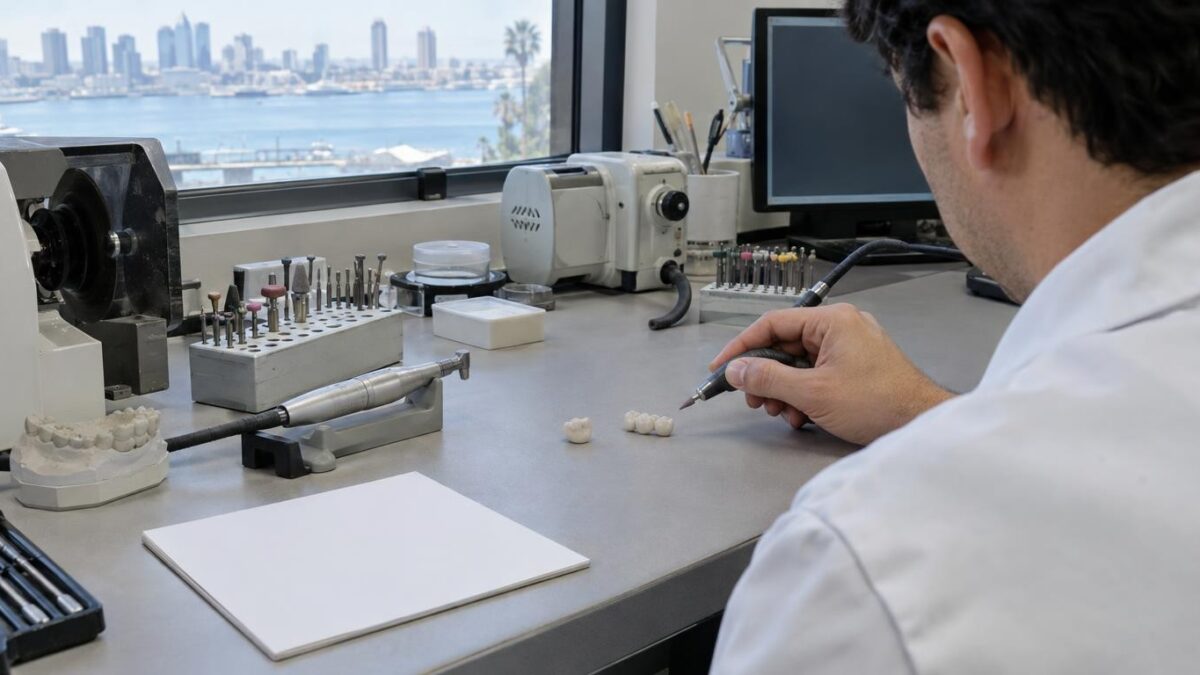
Last updated: October 10, 2026
Ceramic crowns for teeth cover damaged teeth with tooth-colored material and, in an all-ceramic design, have no metal core. A ceramic bridge serves a different purpose: it replaces a missing tooth using suitable supports. At Bajars Dental, our metal-free crowns and bridges use a zirconia foundation with ceramic shaped over it.
What are ceramic crowns for teeth, and when are they used?
A ceramic crown covers and restores a damaged tooth, such as a chipped, cracked, or decayed tooth, when enough natural tooth remains to support it. Unlike some porcelain-fused-to-metal crowns, our zirconia-based restorations can avoid a gray appearance at the gumline.
How does a ceramic crown differ from a metal-free dental bridge?
A tooth-supported crown fits over a prepared natural tooth; an implant-supported crown attaches to an implant component. A bridge holds a replacement tooth in place using supporting teeth or, in some designs, dental implants. Whether those supports are suitable depends on their condition and how your teeth meet when you bite. For a closer look at replacing a missing tooth, see our guide to how dental bridges restore a smile.
What does metal-free mean for a ceramic restoration?
Metal-free means no metal framework lies beneath the tooth-colored surface. Our zirconia base can mask dark areas while the overlying ceramic retains translucency.
Which ceramic materials are used, and what has changed in zirconia crowns?
Ceramic crown materials include pressed ceramic and zirconia. Zirconia can be made as a monolithic restoration or as a foundation covered with ceramic, the construction we use at Bajars Dental. Pressed ceramic crowns have a ceramic core beneath porcelain layers and can be used on front and back teeth.
How do monolithic zirconia and ceramic layered over zirconia differ?
A monolithic zirconia restoration has no separate veneering layer. On a layered restoration, the outer ceramic can be shaped for the desired appearance.
What does the clinical review say about chipping risk?
A review of zirconia ceramic crowns identifies a structural advantage of monolithic designs: without an outer veneer, there is no veneer layer to chip. That distinction does not make a solid design the right choice for every tooth. Ceramic can still fracture, and the tooth’s appearance and bite matter when choosing a design.
When might lithium disilicate be discussed instead?
For a visible tooth, lithium disilicate may be worth discussing when appearance is a priority and the remaining tooth structure and bite permit it. Zirconia may be favored where heavier forces are a concern because it can withstand heavier forces than other ceramic crown types. The Cleveland Clinic’s dental crown guidance also describes zirconia as gentle on opposing teeth, resulting in less enamel wear; that does not mean every crown will prevent wear. Neither material is automatically the right choice for a particular tooth.
Who might need a ceramic crown or a metal-free bridge?
The amount of sound tooth remaining helps determine whether a damaged tooth can support a crown. A metal-free bridge may be considered when a tooth is missing and the proposed supports are suitable. Discoloration, chewing trouble, or an uneven-looking smile alone does not establish which treatment is needed.
Can a ceramic crown help a cracked, broken, decayed, or discolored tooth?
A crack’s depth, decay beneath an existing filling, and the amount of healthy tooth remaining can change the treatment plan. A dark tooth may also need evaluation before a crown is chosen solely for its appearance.
When is a bridge an option for a missing tooth?
Bridge supports must be able to carry the restoration under normal biting forces, and the surrounding gums need assessment. A crooked smile without a missing or damaged tooth does not, by itself, call for crowns or a bridge.
What are the alternatives to a crown or bridge?
For a damaged tooth, a filling or another conservative restoration may be enough; if a crown is needed, metal and porcelain-fused-to-metal are other material choices. For a missing tooth, an implant-supported replacement or a removable partial denture may be an alternative to a bridge. An examination of the tooth, gums, available supports, and bite helps determine which options are suitable for you.
How does Bajars Dental make and place a ceramic crown or bridge?
What happens during the examination and tooth preparation?
The examination helps establish whether the tooth can support a crown or whether a proposed bridge has suitable supports. Preparation creates the space and shape the restoration needs. In clinical practice, checking the bite at this stage also helps guide the restoration’s design rather than treating appearance as the only goal.
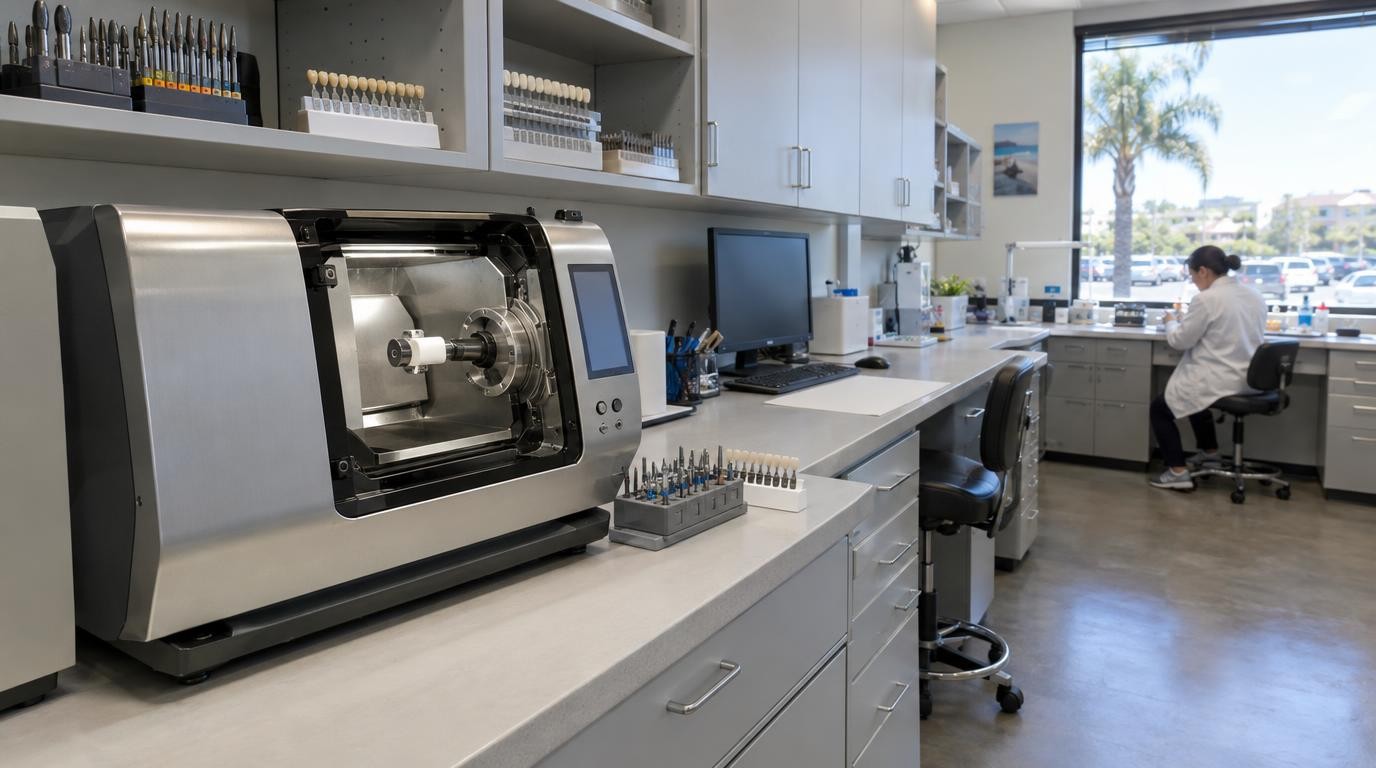
How do scans, CAD/CAM milling, and ceramic layering work?
- A scanned model records the prepared area for computer-aided design.
- Computer-aided manufacturing mills the zirconia understructure from the design.
- Ceramic is shaped over the zirconia foundation to produce the finished restoration.
What happens when the restoration is fitted?
The dentist checks how the restoration meets the prepared tooth or supports, how its shade and shape look, and how the teeth come together when you bite. Adjustments may be needed before final placement. Once the fit and bite are acceptable, a tooth-supported crown or bridge is secured with an appropriate dental cement or adhesive; an implant-supported restoration may be secured differently. If fabrication takes place between appointments, a temporary restoration may protect the area until the finished one is ready.
What should you expect after a ceramic crown or bridge is placed?
After placement, the restored area may feel different as you get used to its shape. Continue cleaning the restoration and surrounding teeth every day.
Is temporary sensitivity or bite adjustment possible?
Numbness from local anesthetic typically fades within a few hours. Mild sensitivity in a prepared tooth or nearby gums often improves over several days. Contact us if sensitivity lasts more than a couple of weeks or discomfort worsens; let us know promptly if the crown or bridge feels high when you bite so we can check the fit.
How do you clean a ceramic crown and beneath a bridge?
Brush around the crown and along its gumline, then clean the spaces beside it using a method suited to those spaces. For a bridge, cleaning must also reach under the replacement tooth and around the supporting teeth. A floss threader or interdental brush may help, depending on the bridge design; regular examinations allow the supports and restoration margins to be checked.
What results can you expect from a ceramic crown or bridge?
A zirconia-based crown or bridge can restore tooth shape and provide a tooth-colored appearance without a metal core. The final appearance and durability depend on the underlying tooth, shade selection, restoration design, bite, hygiene, and follow-up care.
Will a zirconia-based restoration look like a natural tooth?
The shade and shape can be tailored to neighboring teeth, but no restoration is identical to natural enamel in every lighting condition. For more on appearance choices, see how dentists make crowns look natural.
What affects how well a ceramic restoration holds up?
Material category alone cannot predict an individual restoration’s outcome. The American Dental Association’s summary of 2015 systematic reviews reports five-year survival of 90.7% for all-ceramic single crowns and 94.7% for metal-ceramic single crowns. The ADA also cites a 2016 health technology assessment reporting eight-year survival ranges of 84–100% for all-ceramic crowns and 92–96% for porcelain-fused-to-metal crowns.
For multiple-unit bridges, the ADA’s summary of 2015 systematic reviews reports five-year survival of 85.9% for reinforced glass-ceramic restorations and 94.4% for metal-ceramic restorations. Those bridge figures are not survival rates for our layered zirconia bridges, and the broad crown figures do not predict how long an individual Bajars Dental zirconia crown will last.
What are the risks of ceramic crowns and bridges, and who should delay treatment?
Ceramic crowns and bridges can cause temporary sensitivity or bite discomfort, and ceramic may chip or fracture. Decay or gum problems can develop around crown margins or bridge supports.
What should you disclose about material sensitivity?
An all-ceramic crown can be an option if you have a metal allergy. Metal-free does not rule out every possible material sensitivity, so tell us about any known allergies during your assessment.
Contact Bajars Dental if a restoration becomes loose or damaged. Seek urgent care for substantial swelling, fever with worsening dental symptoms, or difficulty swallowing or breathing.
When should decay, gum disease, or bite problems be addressed first?
Untreated decay or gum disease can affect the tooth or supports a restoration depends on. Heavy grinding and inadequate remaining tooth structure may also change the proposed design or make another treatment more suitable. Discuss these concerns and your personal risks with your own clinician before proceeding.
Frequently Asked Questions
Do I need a root canal before getting a ceramic crown?
No, a root canal is not routinely required before a ceramic crown. A crown can protect a tooth that still has a healthy nerve. Root canal treatment may be needed if the pulp is infected or irreversibly inflamed.
What if I grind my teeth after getting a ceramic crown?
Grinding can put extra force on the crown and its supporting tooth. Tell us if you notice wear or wake with jaw soreness so a dentist can check the bite and discuss whether a night guard is appropriate. A guard cannot eliminate every risk of damage.
Can I whiten a ceramic crown if its color no longer matches my teeth?
No, whitening treatments do not change the color of a ceramic crown the way they can lighten natural teeth. If you are planning to whiten your teeth, discuss it before choosing a crown shade. If an existing crown no longer matches, a dentist can assess whether replacing it is appropriate.
Can a chipped ceramic crown be repaired?
Sometimes a small chip can be smoothed or repaired, but a larger fracture may require a replacement crown. The options depend on the chip’s location, the crown’s construction and whether the restoration remains sound. Do not try to glue a broken piece back on; contact us for an examination.
When can I eat after a ceramic crown is placed?
Wait until any local anesthetic has worn off before chewing, so you do not accidentally bite your cheek or tongue. Follow your dentist’s instructions about eating with the new crown, especially if a temporary restoration is involved. If chewing feels painful or the crown hits first, contact us to check the bite.
When can a dental implant receive a ceramic crown?
An implant can receive a ceramic crown when it is ready for restoration and its position, surrounding tissues, and your bite permit an appropriate design. A dentist must assess the implant before deciding when to place the crown.
How can you decide whether a ceramic crown or bridge is right for you?
What should you ask about material choice and bridge support?
- Can the damaged tooth be restored and support a crown?
- If a tooth is missing, which teeth or other supports could hold a bridge?
- Is the proposed restoration layered ceramic over zirconia, or a different construction?
- How will biting forces and any grinding affect material selection?
- What cleaning tools and follow-up will the restoration require?
How can a San Diego dentist assess your tooth and bite?
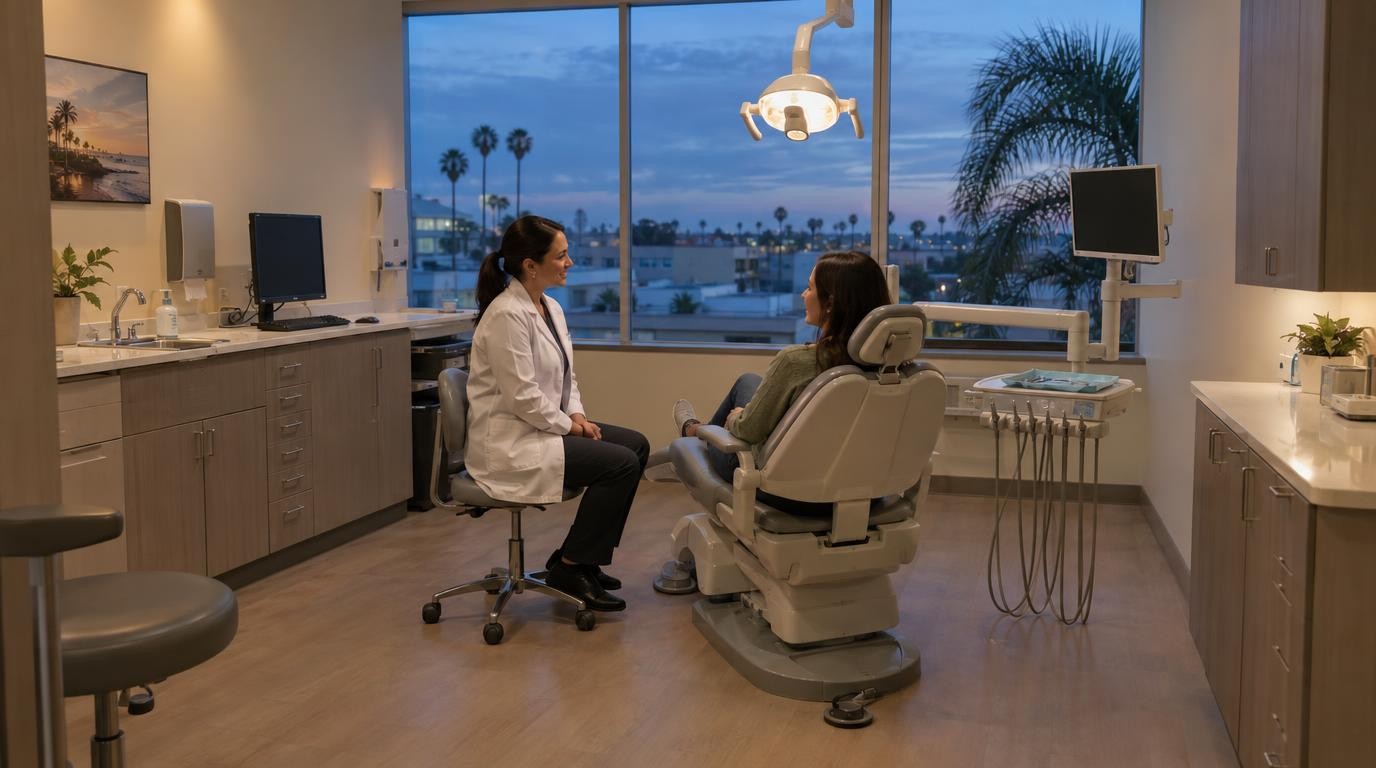
A dentist can examine the remaining tooth structure, gums, and potential bridge supports, then evaluate how your teeth meet when you bite. When appropriate, imaging or scans can help plan treatment; a scanned model can also guide the CAD/CAM design of a zirconia-based restoration.
If you are considering a ceramic crown or bridge, contact Bajars Dental in San Diego, California, for a consultation about your tooth, bite, and restoration options.
This information is general and is not medical advice. Talk to a licensed clinician about your own situation before making a treatment decision.